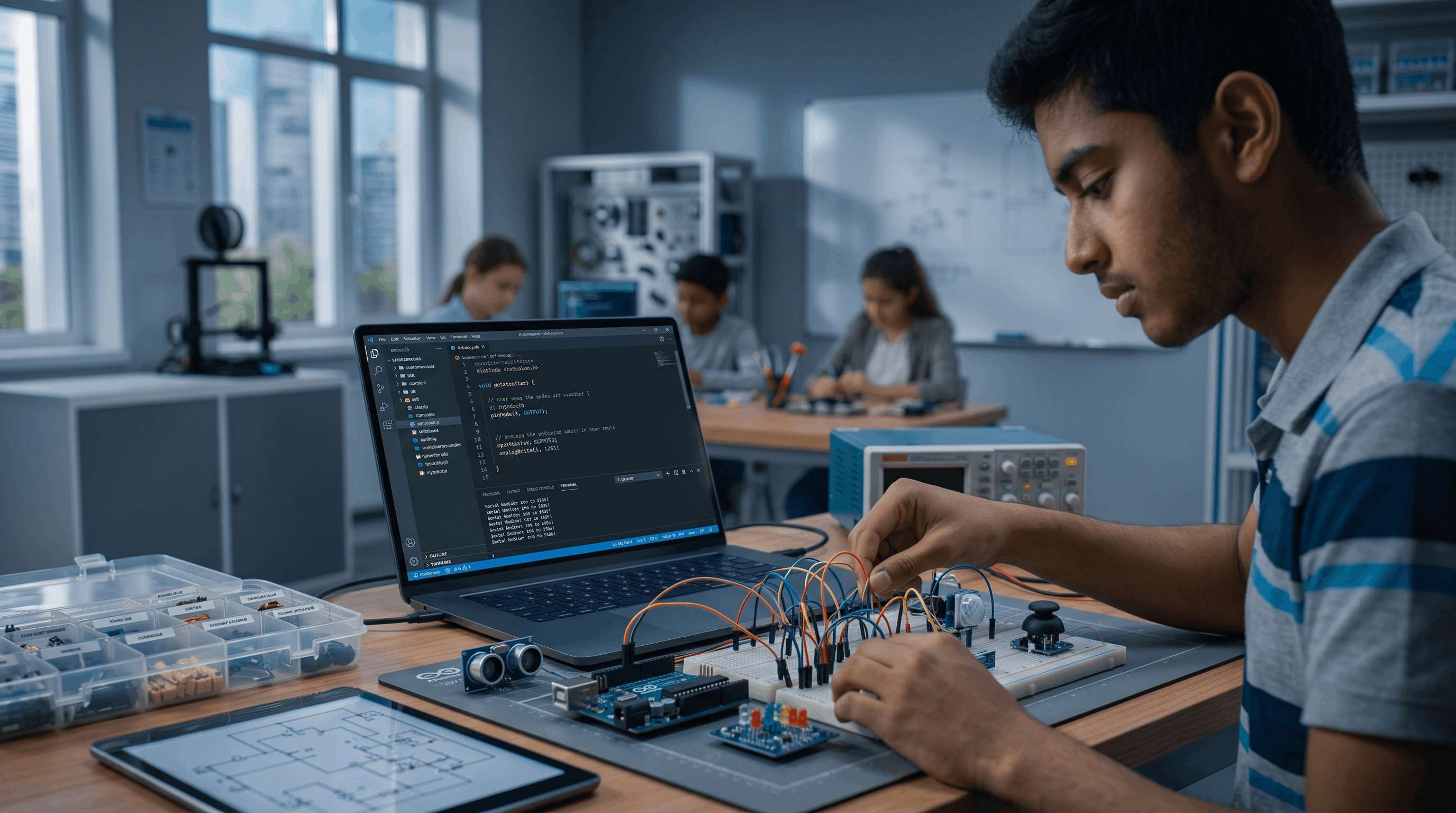
This level builds stronger logic, Arduino confidence and practical sensor skills. Students move beyond simple demonstrations and begin combining multiple components into useful systems and beginner robots.

Building logical thinking through visual programming
Students design and build simple games in Scratch, strengthening sequencing, logic and creative problem-solving before moving to text-based coding.

Writing structured logic for real hardware
Students revisit Arduino fundamentals and begin writing more structured code, combining conditions and loops to control multiple components.

Connecting inputs to meaningful outputs
Students work with ultrasonic, light and soil moisture sensors, learning how sensor data can trigger automated responses.

Turning circuits into physical machines
Students build simple chassis and mechanical structures using motors and wheels, understanding how electronics translate into movement.

From components to working robots
Students combine sensors, motors and code to build beginner robots that sense their environment and react automatically.

Testing, debugging and improving projects
Students troubleshoot wiring and logic issues independently, building confidence to test, iterate and improve their own projects.
Every student takes home models they built — and understood — themselves.
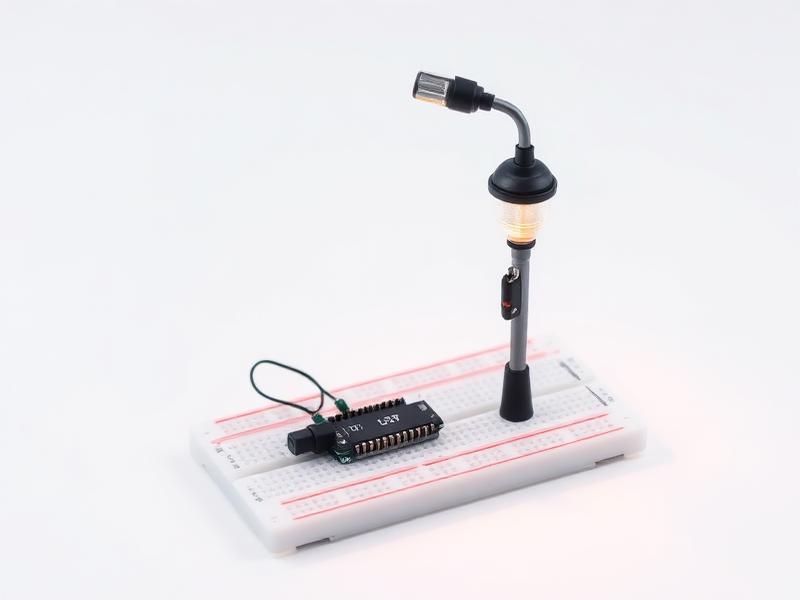
A light that senses darkness and switches on automatically using an LDR sensor.
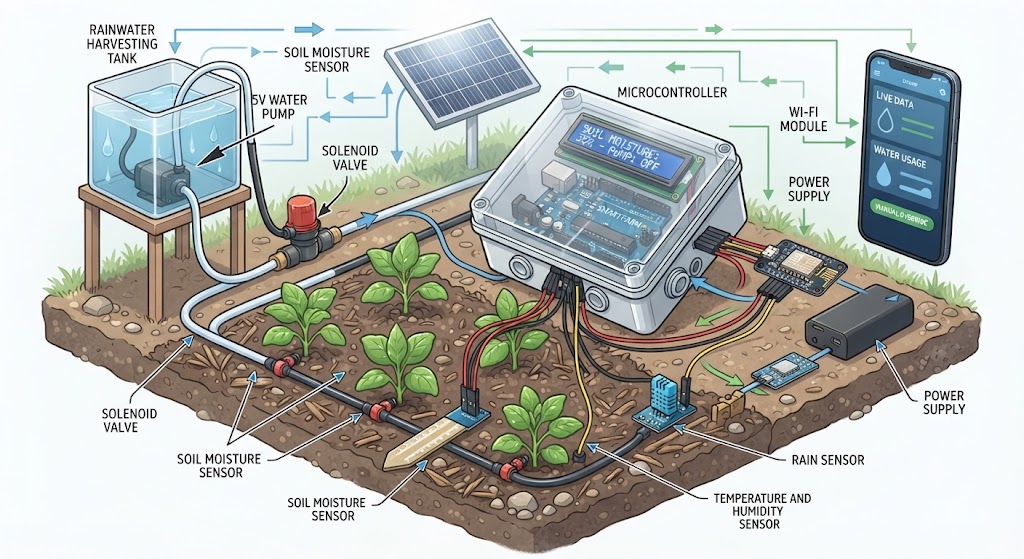
A soil-moisture based system that waters plants only when needed.
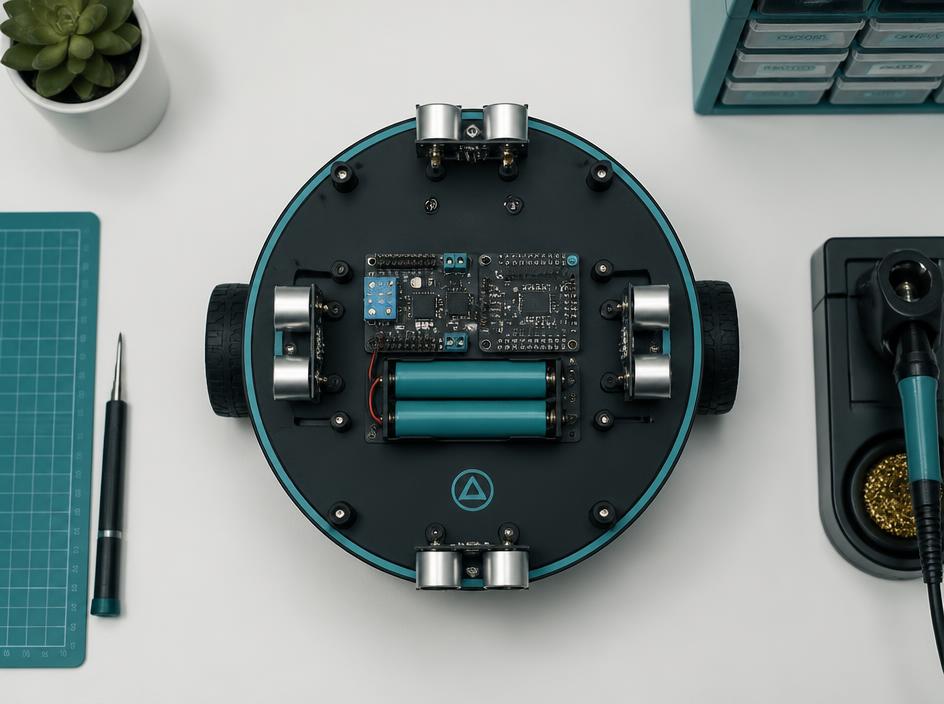
A robot that uses ultrasonic sensing to detect and avoid obstacles in its path.

A servo-controlled gate that opens automatically when a vehicle is detected.
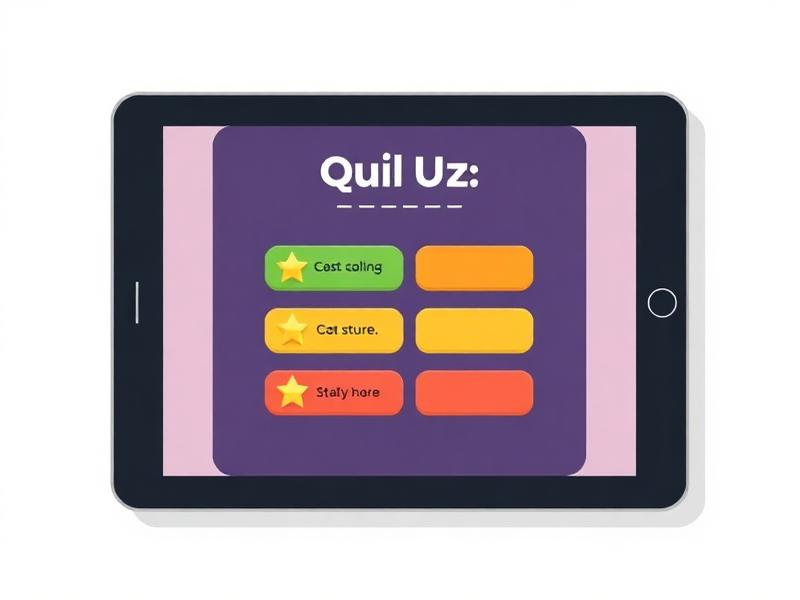
A Scratch-based quiz game built with logic, scoring and interactivity.
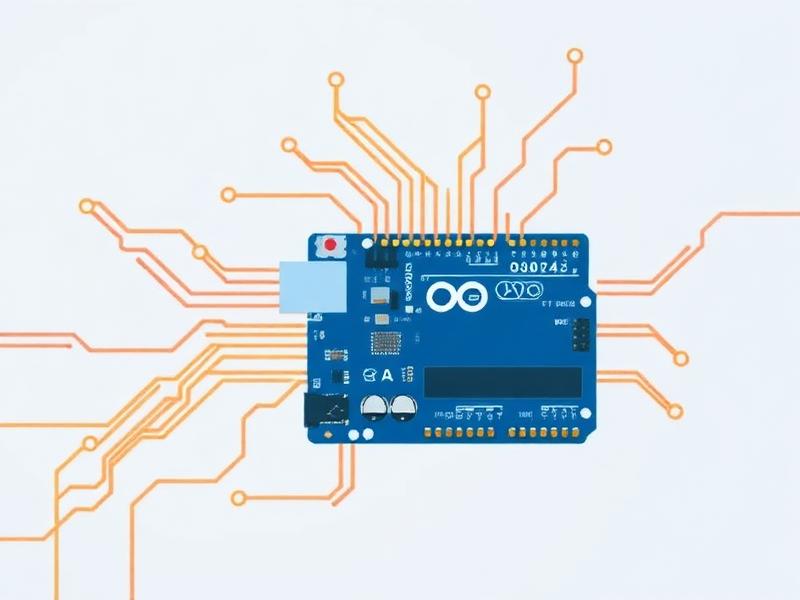
The core controller used across every project.
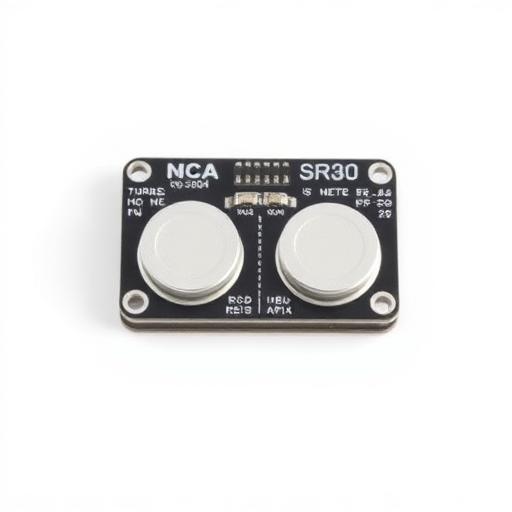
Measure distance and detect nearby objects.
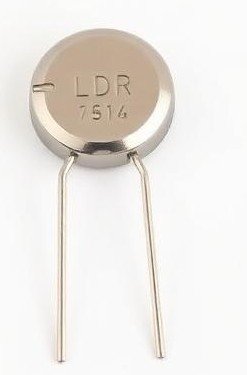
Detects light intensity and darkness.
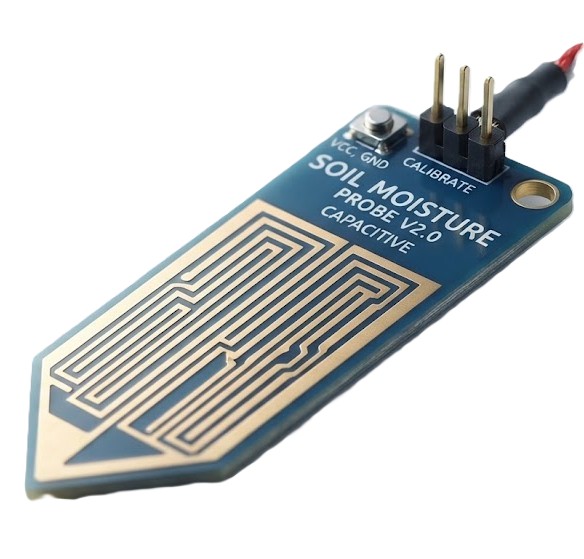
Reads soil moisture for irrigation projects.

Control precise movement and direction.

Give robots the ability to move.
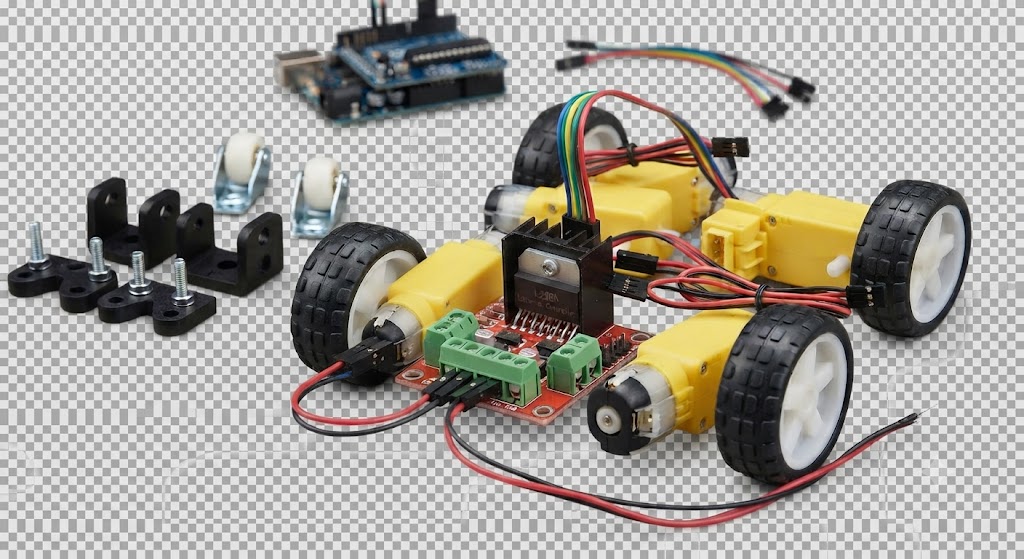
Controls motor speed and direction from code.
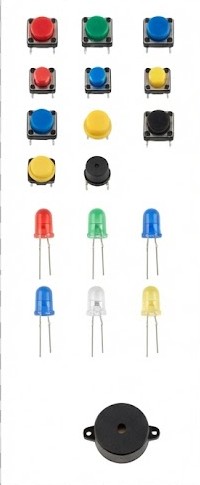
Add input controls and alerts to projects.
By the end of this program, students can combine sensors, motors and code into working, beginner robotic systems.
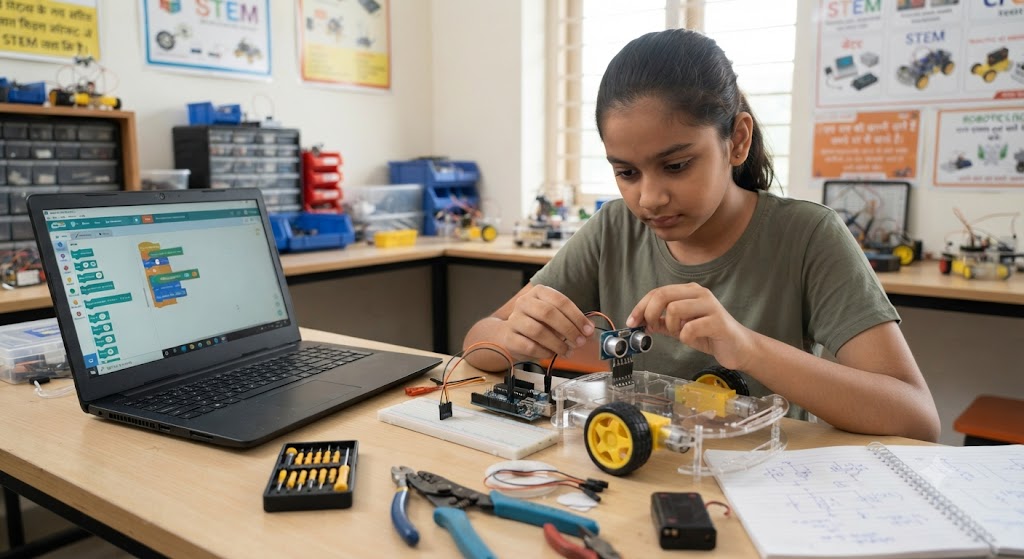
Introduces autonomous movement beyond simple demonstrations.
Moves from single-sensor to multi-part projects.
Strengthens coding before advanced systems.
Give your child hands-on experience in coding, robotics, AI, electronics and IoT through engaging, project-based learning.