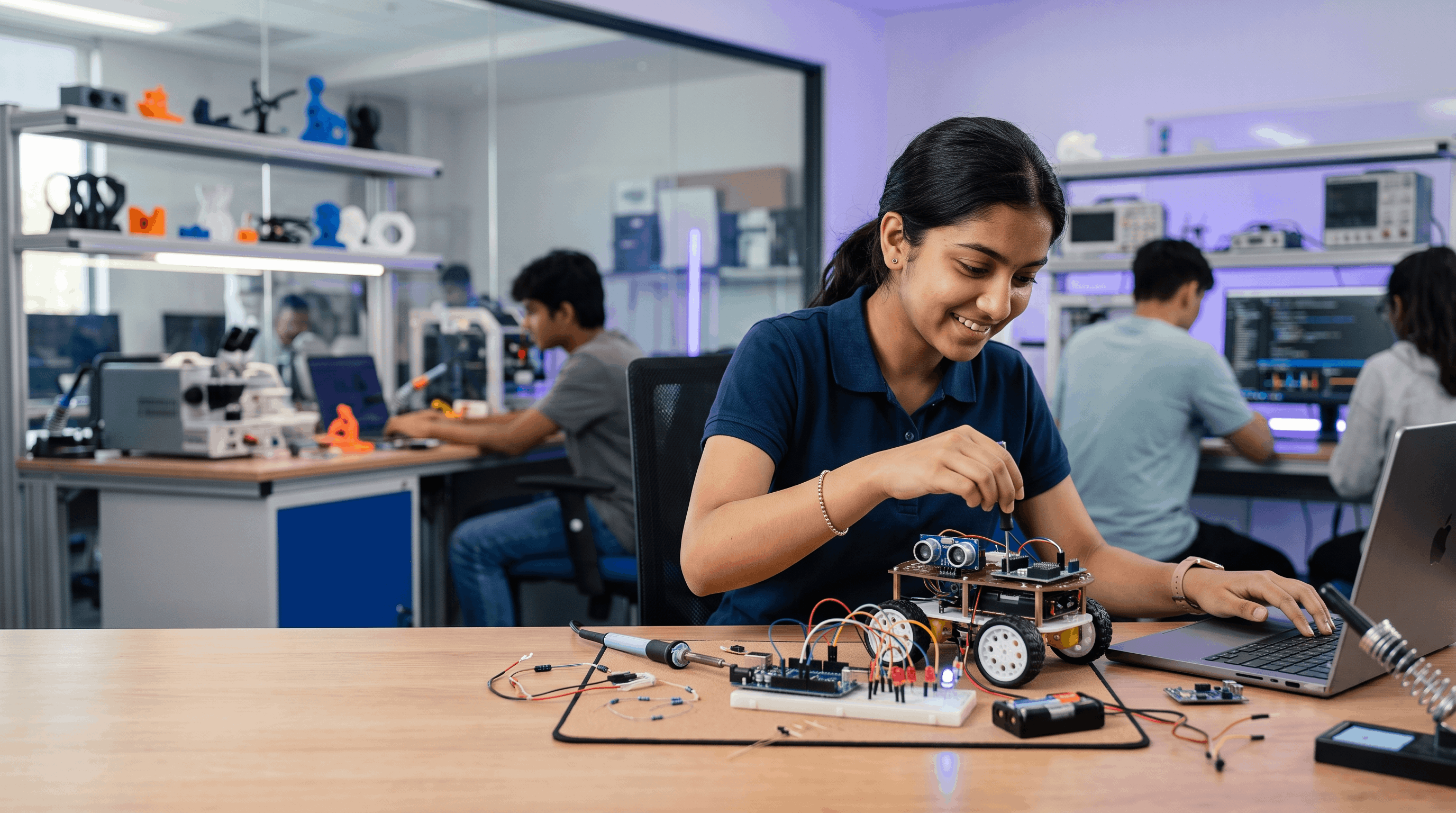
The most comprehensive STEMAIR pathway. Students integrate robotics, Python, AI, IoT and automation into portfolio-ready projects and finish with an innovation capstone that requires planning, prototyping, testing and presentation.

Bringing every previous skill together
Students combine coding, electronics and robotics skills built across earlier levels into unified, complex projects.
Applying AI to real project ideas
Students apply Python and AI concepts to practical applications like attendance systems and object detection.

Designing connected, automated systems
Students design systems that sense, decide and act automatically, connecting hardware with cloud or dashboard concepts.

Turning an idea into a working prototype
Students learn structured prototyping — planning, building and testing their own original project ideas.
Communicating technical work clearly
Students learn to document and present their projects clearly, explaining design decisions and outcomes.

Designing an original final project
Students plan, build, test and present an original capstone project that reflects everything they have learned.
Every student takes home models they built — and understood — themselves.
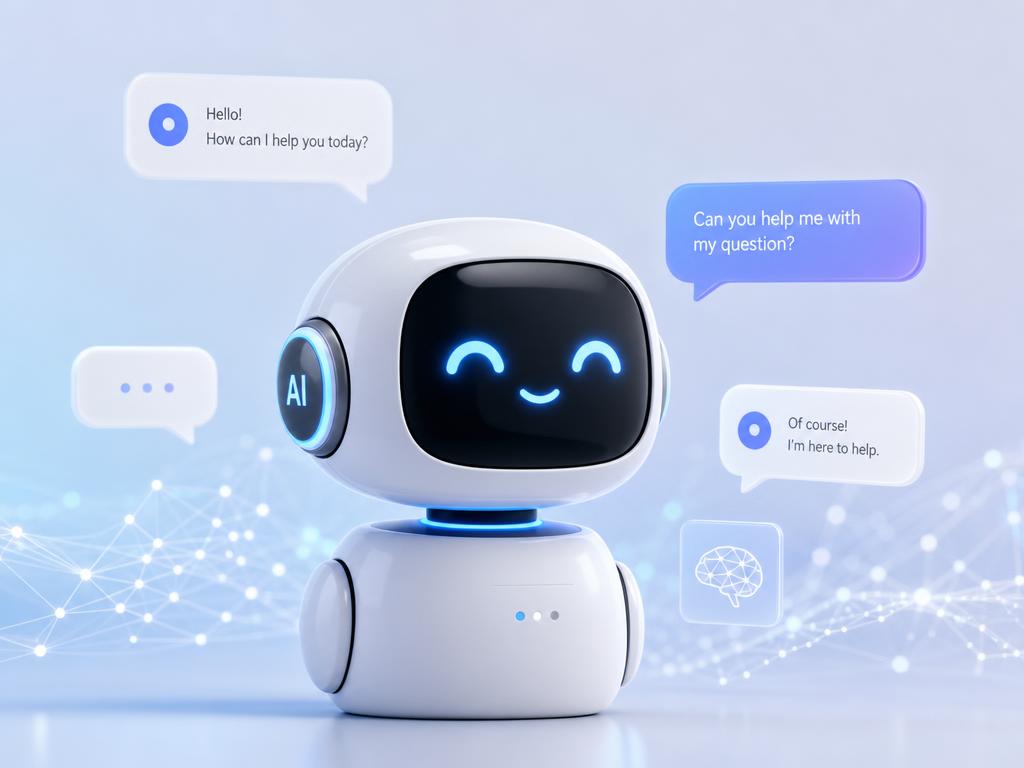
A camera-based system that recognizes faces to mark attendance automatically.
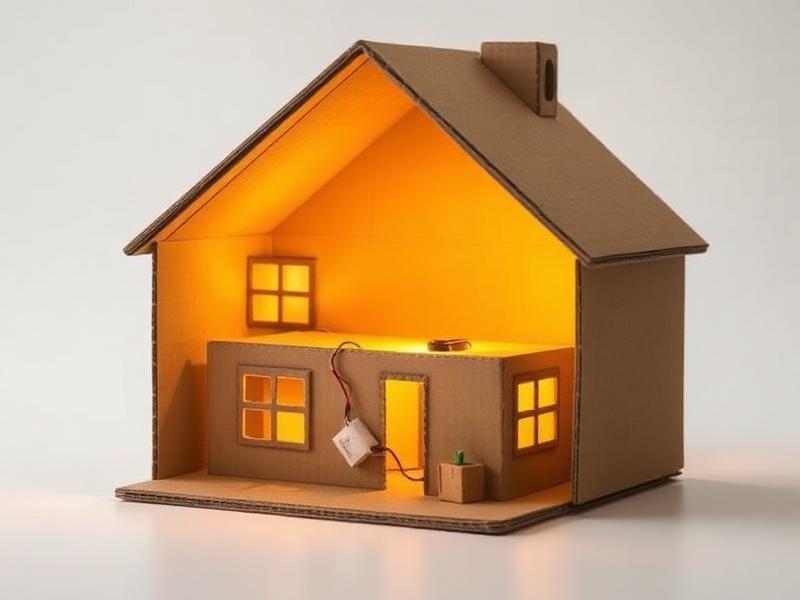
A connected system controlling multiple home devices from one dashboard.
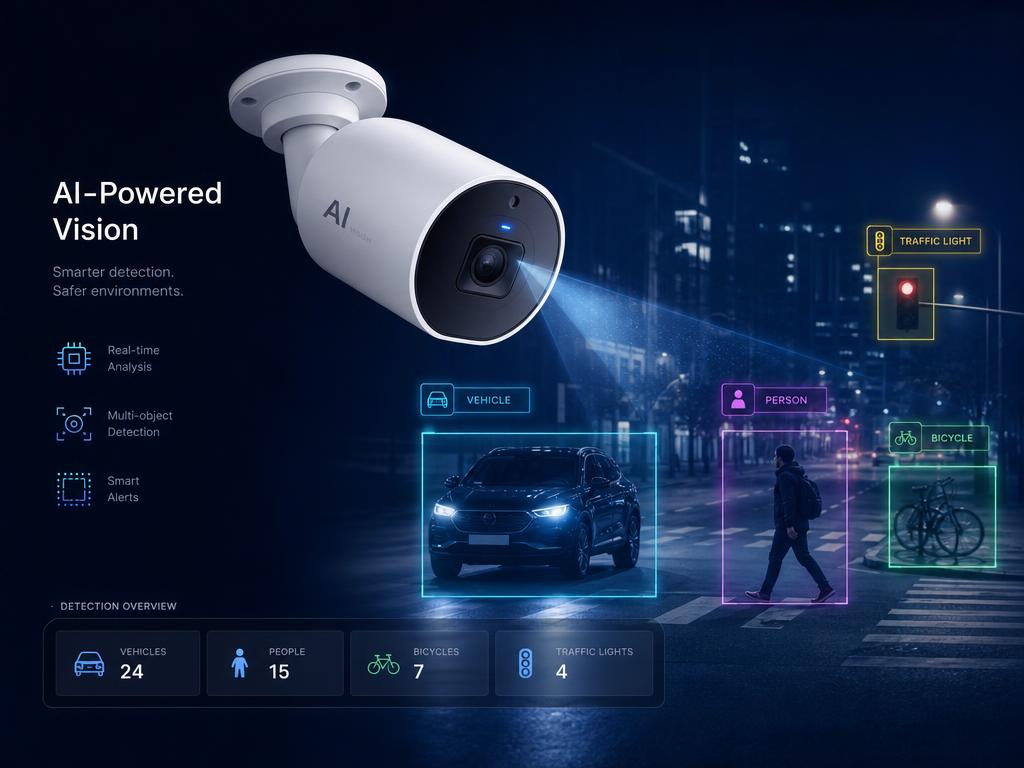
A computer-vision project that identifies and labels objects in real time.

A live dashboard displaying sensor data collected from connected devices.

An original student-designed project combining robotics, AI and IoT.
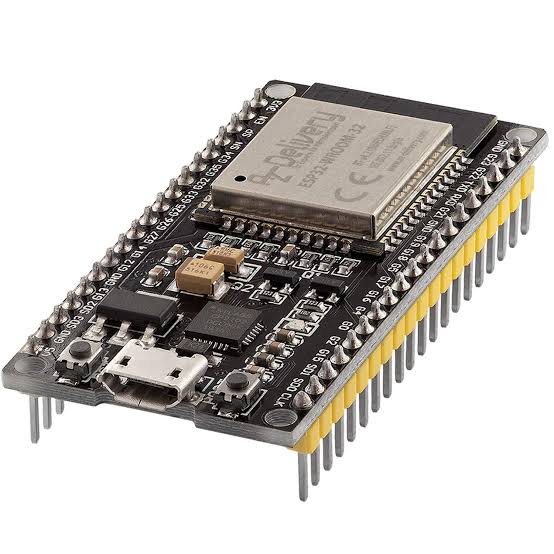
The controllers at the core of capstone builds.

Give systems the ability to sense and act.
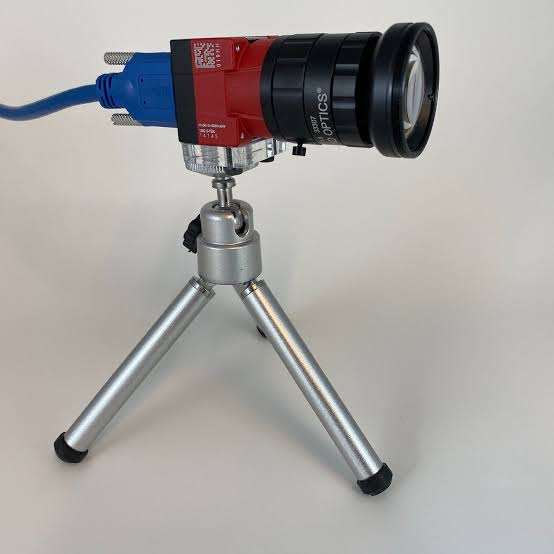
Powers AI attendance and detection projects.
Drives the AI logic behind each project.
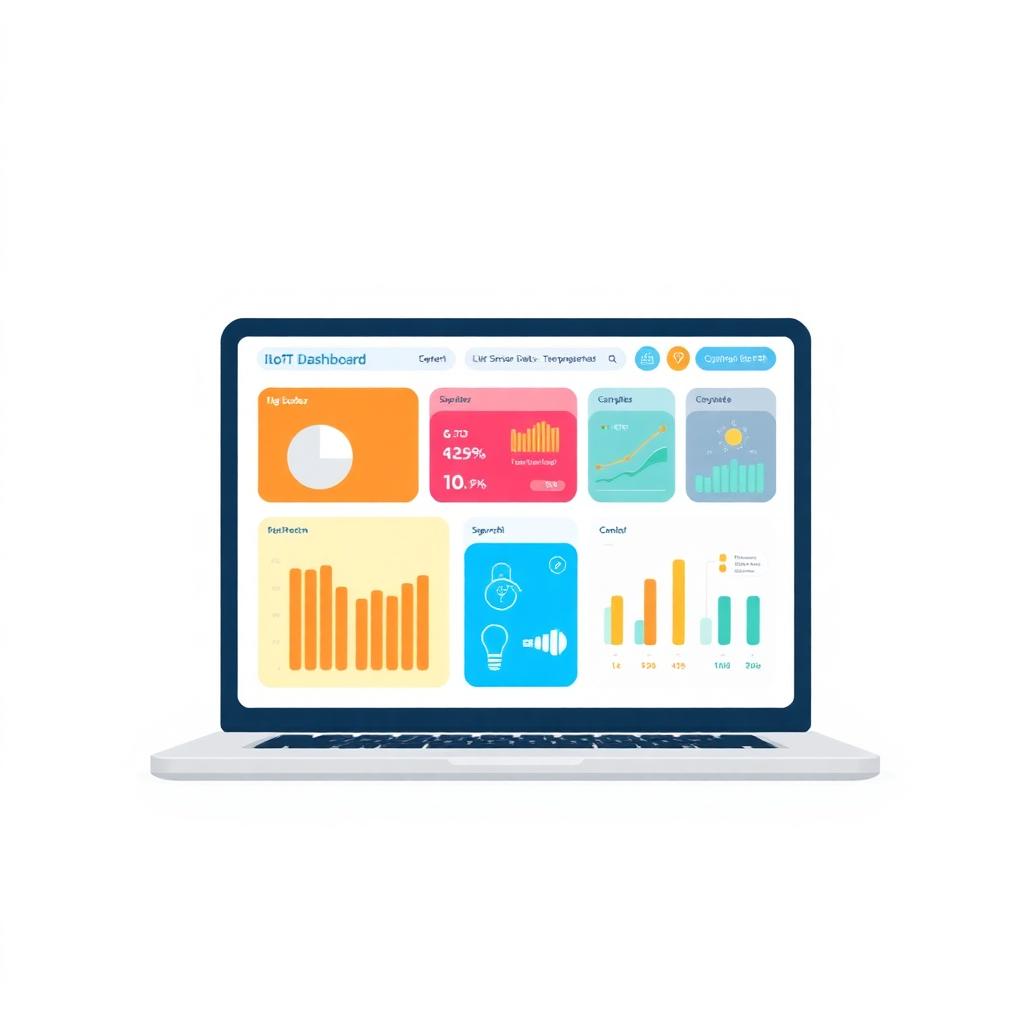
Displays and monitors live project data.

Show data and switch outputs on command.

The physical frame for robotic builds.
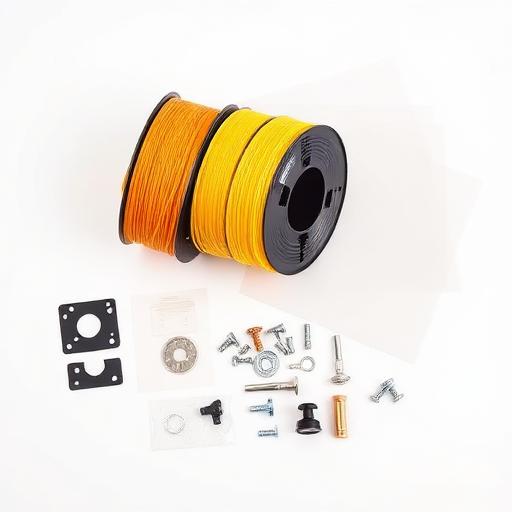
Used to build and finish capstone prototypes.
By the end of this program, students can design, build and present a complete, original technology project.
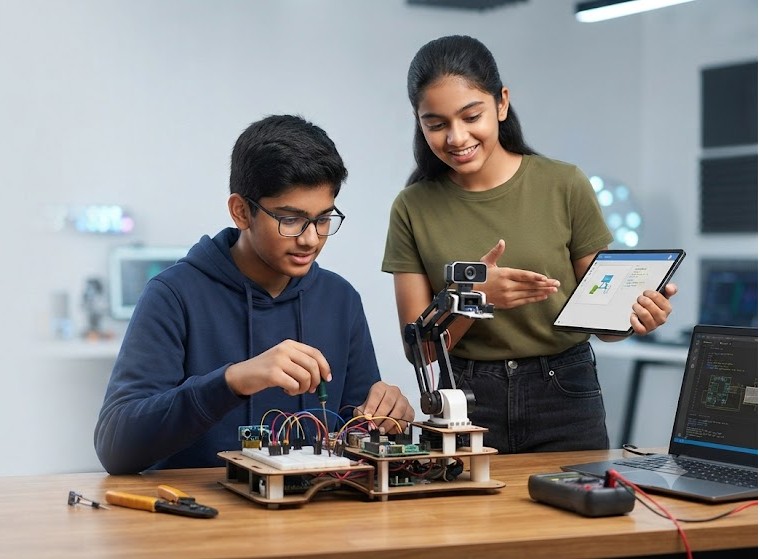
The highest structured level in the academy pathway.
Supports competitions, showcases and school exhibitions.
Creates a portfolio for future STEM learning.
Give your child hands-on experience in coding, robotics, AI, electronics and IoT through engaging, project-based learning.